

Arm & Numbness

Physical Therapy for Arm & Numbness Tingling Relief
Arm numbness and tingling can significantly disrupt daily activities and compromise your quality of life. Whether you’re experiencing “pins and needles” sensations or complete loss of feeling, understanding the causes and treatment options is crucial for recovery. At Active PT Greenville, we use evidence-based strategies to help you find relief and prevent future episodes.
Understanding the Root Causes
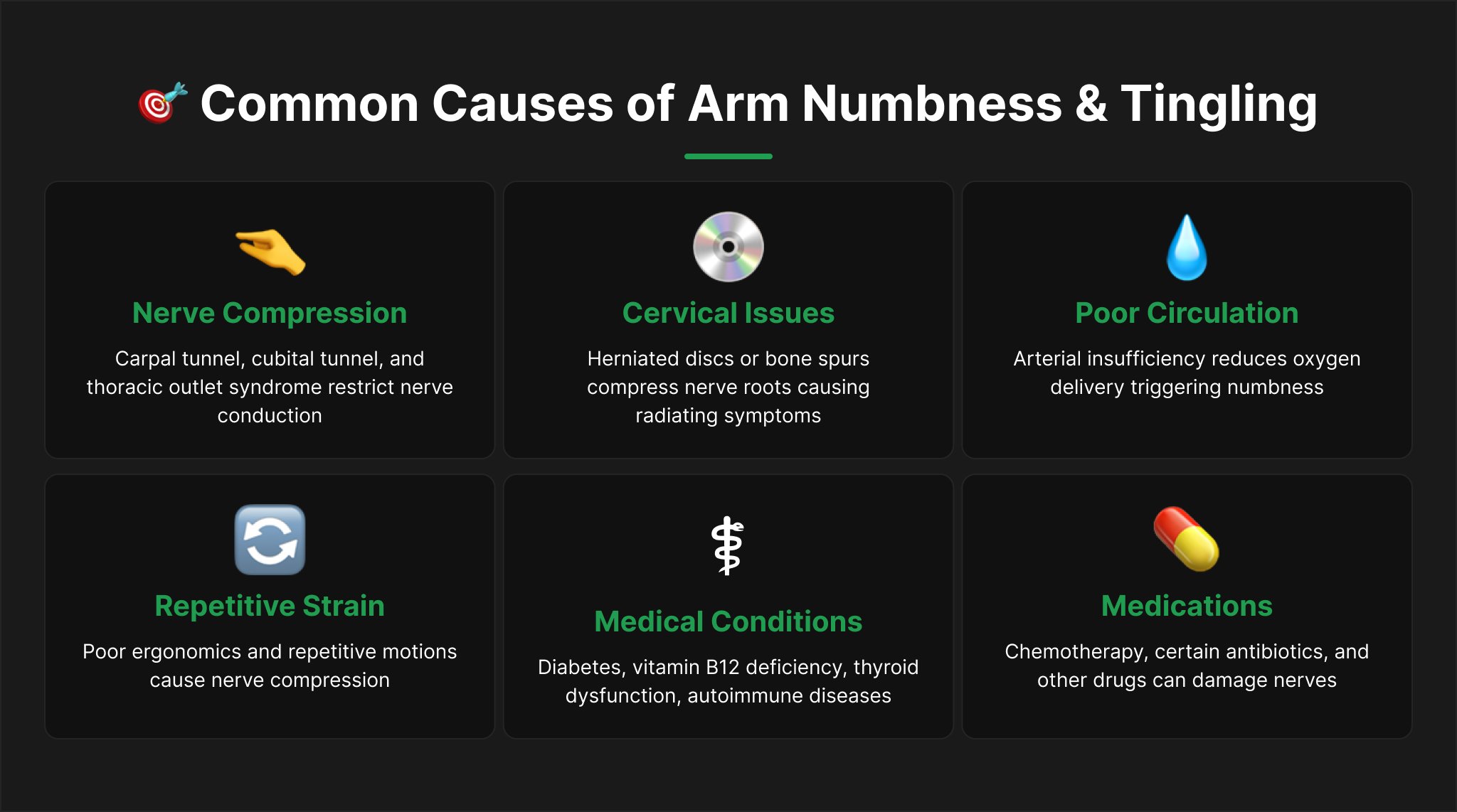
Nerve Compression The most common culprits include carpal tunnel syndrome (median nerve compression) and cubital tunnel syndrome (ulnar nerve compression). These conditions restrict nerve conduction, leading to the characteristic tingling sensations in specific finger patterns. Thoracic outlet syndrome is also common and effects the nerve between the neck and the arm. (think trap area)
Cervical Radiculopathy or Neck Pain: Herniated discs or bone spurs in the neck can compress nerve roots, causing radiating pain and numbness down the arm following specific dermatome patterns.
Circulatory Issues Poor blood flow from arterial insufficiency or blood clots reduces oxygen delivery to tissues, triggering ischemic numbness and potential color changes in the arm.
Systemic Conditions
Diabetes mellitus – damages nerve fibers through prolonged high blood sugar
Vitamin B12 deficiency – impairs myelin sheath health
Thyroid dysfunction – alters nerve metabolism
Autoimmune conditions like rheumatoid arthritis
Lifestyle Factors Repetitive motions, poor ergonomics, excessive computer use, and prolonged awkward positioning contribute to nerve compression and inflammation.
Recognizing Critical Symptoms
Immediate Medical Attention Required:

Sudden onset weakness or paralysis
Numbness with chest pain or shortness of breath
Loss of bladder/bowel control
Severe headache with arm symptoms
Signs of stroke (facial drooping, speech difficulties)
Common Presentations:
Carpal tunnel: Thumb, index, and middle finger tingling, especially at night
Ulnar nerve: Little finger and ring finger numbness with grip weakness
Cervical radiculopathy: Neck pain radiating down the arm with specific patterns
Thoracic outlet syndrome: Shoulder pain with pulse changes
Proven Treatment Strategies
Professional Interventions
Manual therapy: Soft tissue mobilization and joint manipulation to reduce nerve compression
Postural correction: Address underlying biomechanical issues
Modalities: Shockwave therapy
Diagnostic Testing
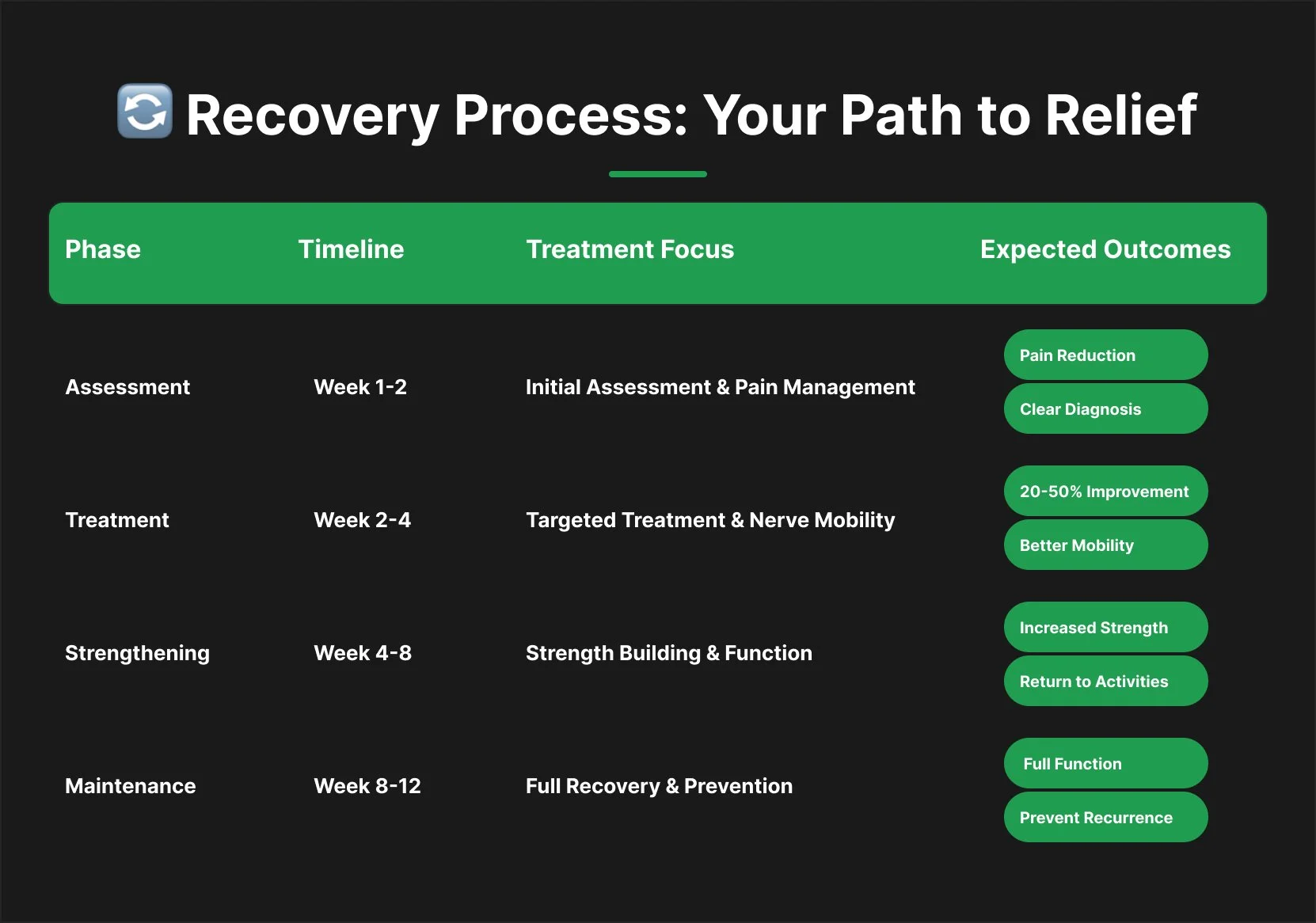
Nerve glide exercises: Restore nerve mobility and improve conduction velocity by up to 20-50%
Electromyography (EMG): Measures muscle electrical activity
Nerve conduction studies: Assess nerve signal speed and strength
MRI: Visualizes soft tissue and spinal abnormalities
Blood tests: Screen for diabetes, vitamin deficiencies, and autoimmune markers
Evidence-Based Home Remedies
Ice therapy: Apply for 10 minutes to reduce inflammation and swelling
Heat application: 10-minute warm compress increases circulation by 30%
Immediate Relief Techniques
Gentle stretching: Focus on wrist flexors, extensors, and neck muscles
Ergonomic adjustments: Maintain neutral wrist positions during activities
Nerve glide exercises: Perform median and ulnar nerve glides twice daily
Daily Management Strategies
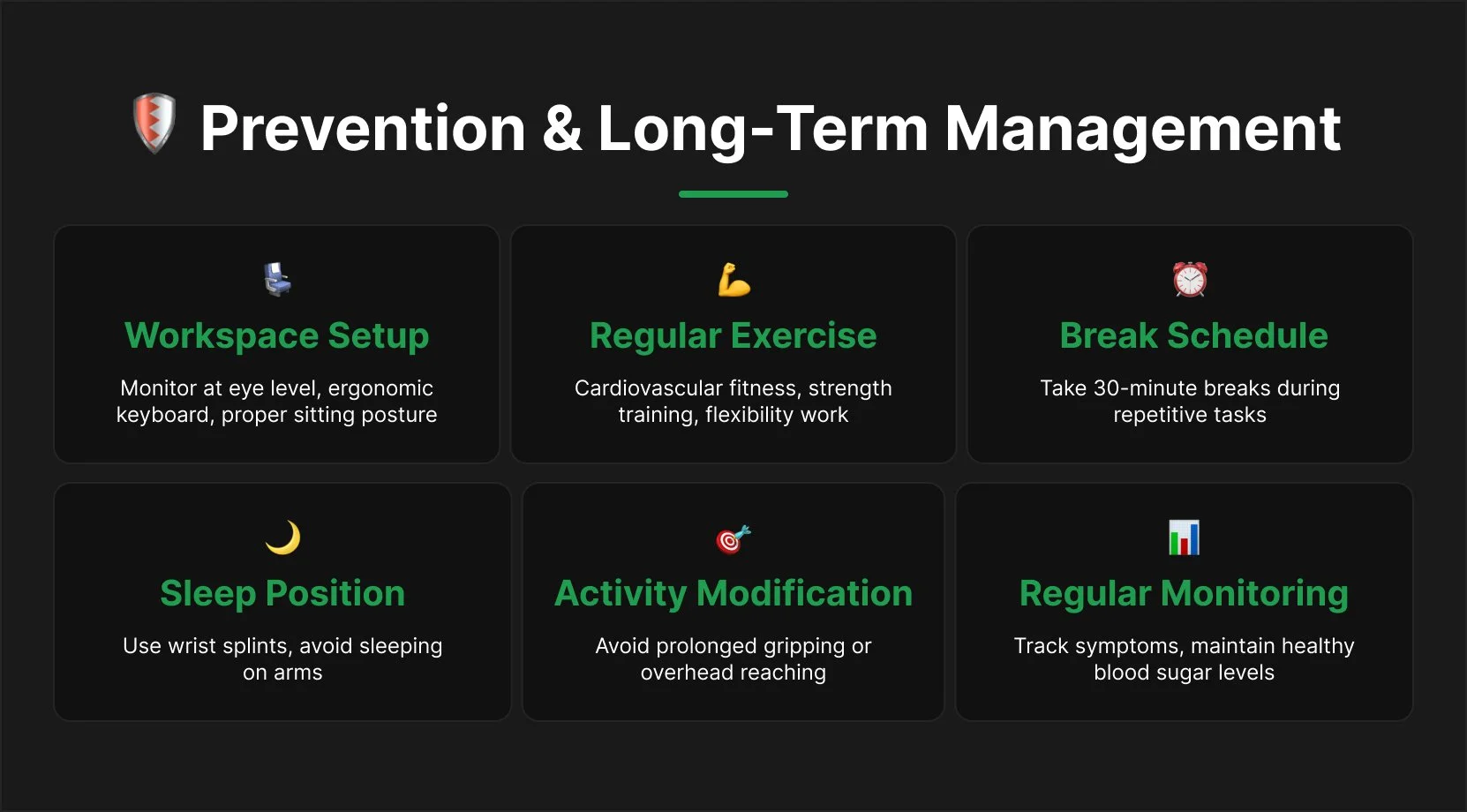
Workplace ergonomics: Take breaks every 30 minutes during repetitive tasks
Sleep positioning: Use wrist splints to maintain neutral alignment overnight
Nutritional Support
Activity modification: Avoid prolonged gripping or overhead reaching
Vitamin B12: Support nerve health with fish, fortified cereals, and supplements
Blood sugar control: Maintain stable glucose levels to prevent diabetic neuropathy
Vitamin B6: Include poultry, bananas, and chickpeas in your diet
Anti-inflammatory foods: Omega-3 rich fish, leafy greens, and berries
Essential Self-Assessment Questions
Symptom Tracking:
When did symptoms first appear?
Which activities worsen the numbness?
Is the tingling constant or intermittent?
Does changing arm position provide relief?
Are both arms affected equally?
Red Flag Screening:
Have you experienced recent trauma?
Is there associated weakness or muscle wasting?
Do you have difficulty with fine motor tasks?
Are there signs of infection (fever, swelling)?
Are both arms affected equally?
Differential Diagnoses to Consider
Thoracic Outlet Syndrome Compression of nerves or blood vessels between the neck and armpit, often causing shoulder pain and pulse changes.
Multiple Sclerosis Central nervous system condition causing asymmetric sensory loss, fatigue, and coordination problems.
Complex Regional Pain Syndrome Post-injury condition featuring temperature changes, severe pain, and autonomic dysfunction.
Peripheral Neuropathy Systemic nerve damage presenting in a “stocking and glove” pattern, commonly from diabetes or chemotherapy.
When to Seek Professional Help
Immediate consultation recommended for:
Previous history of diabetes, autoimmune disease, or cancer
Symptoms persisting beyond 2 weeks despite home treatment
Progressive weakness or muscle atrophy
Numbness interfering with work or daily activities
Associated systemic symptoms (fever, weight loss, fatigue)
Questions for Your Healthcare Provider:
What diagnostic tests are needed to confirm the cause?
Which conservative treatments should I start immediately?
How will we monitor progress in sensation and strength?
What are the risks and benefits of injections or surgery?
When can I expect to return to normal activities?
Prevention and Long-Term Management
Workspace Optimization
Adjust monitor height to reduce neck strain
Use ergonomic keyboards and mouse pads
Maintain proper sitting posture with feet flat on floor
Position frequently used items within easy reach
Exercise and Conditioning
Regular cardiovascular exercise improves circulation
Strength training for neck, shoulder, and core stability
Flexibility work for neck, shoulders, and wrists
Balance training to prevent falls and injuries
Key Takeaways
Early intervention prevents permanent nerve damage and accelerates recovery
Accurate diagnosis through professional evaluation ensures appropriate treatment
Combination therapy using manual therapy, exercises, and lifestyle modifications provides optimal results
Home remedies can effectively complement professional treatment for mild symptoms
Prevention strategies including ergonomics and regular exercise reduce recurrence risk
What We Treat...
If You’re Interested In Learning More About How We Can Help You, Click the Link Below:

Want To Get Relief Faster?
Choose Which option Works best for you…